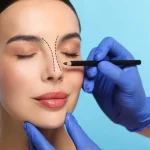
Rhinoplasty surgery is an important surgical intervention in terms of aesthetics and functionality, as well as a period that requires patience during the recovery process. The post-operative process can be overcome in the fastest and healthiest way with proper care, patience and following the doctor’s recommendations. In this article, we will examine the recovery process after rhinoplasty step by step. Starting from the first 7 days, we will discuss what kind of recovery should be expected in the 1-month and long-term, and what patients should pay attention to.
First 7 Days: Swelling, Bruising and Initial Healing Steps
Immediately after rhinoplasty surgery, patients often experience swelling, bruising and nasal tamponade. The first 7 days are considered the most critical period of the healing process. During this period, there are some important points that patients should pay attention to.
Swelling and Bruising:
• In the first few days after surgery, swelling and bruising may occur in the nose and under the eyes. This is a normal condition resulting from surgery. Swelling and bruising usually reach their highest level within 3-4 days.
• Bruising occurs as a result of bleeding in the soft tissues around the nose, but it will go away on its own over time.
• Swelling can be intense, especially around the tip of the nose and around the eyes, but it will start to decrease within a few weeks.
Nasal Pads and Bandages:
• In the first days, tampons placed inside the nose are used to control bleeding inside the nose and support the nasal structure. These tampons are usually removed after 2-3 days.
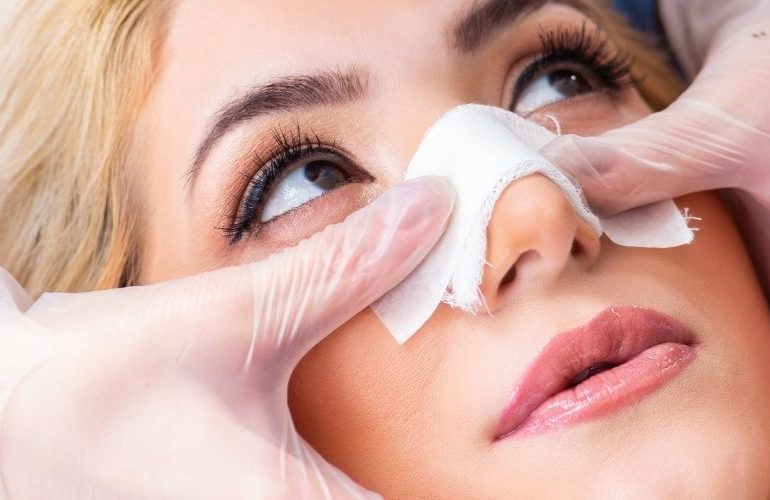
• In addition, a cast or bandage may be placed on the nose. This bandage preserves the shape of the nose and helps protect it from external effects.
Recommendations for the First 7 Days:
• Head Elevation: Make sure your head is elevated while sleeping. Keeping your head between 30-45 degrees using pillows will help the swelling go down faster.
• Rest: Immediately after the surgery, it is necessary to avoid physical activity and get plenty of rest. High physical activity can increase the risk of bleeding.
• Applying Cold Compresses: Applying cold compresses under the eyes and around the nose can be soothing to reduce swelling.
• Following the Doctor’s Instructions: Regular use of post-operative medications, completion of antibiotics and correct use of painkillers are essential.

First Month: Recovery and Slow Return to Physical Activity
After the first 7 days, patients usually feel more comfortable, but the healing process is ongoing. There are a few important steps to take during the first month.
Swelling Reduction:
• Most swelling will significantly decrease within the first 2 weeks. However, it may take 1-2 months for the nose to completely heal and for the swelling to largely disappear. Swelling at the tip of the nose and the exact shape of the nose may require a little more time for the healing process.
• Bruising usually begins to disappear within 1 week. However, in some patients, bruising under the eyes may last 10-14 days.
Healing of the Internal Nasal Structure:
• The tissues inside the nose, especially structures such as the septum (nasal cartilage) and concha, begin to heal. Improvements in breathing gradually begin to be noticed.
Although rare, conditions such as bleeding or clotting inside the nose may occur, so it is important to be careful during the healing process.
Physical Activity and Work:
• It is necessary to avoid heavy exercises, sports and excessive physical activities for the first month. Such activities may cause the stitches in the nose to open or increase the swelling.
• However, low-intensity activities such as light walks can be done, but the doctor’s recommendations should still be followed.
Swimming and Sun Exposure:
• Swimming and sun exposure can pose a risk to the full healing of the nose. Sun exposure should be avoided, especially during the period when there is a bandage and cast on the nose.
• Sun rays can cause skin discoloration and permanent scars. It is very important to protect from the sun for the first month.
Long-Term Recovery and Results Settling
The results of rhinoplasty surgery can be observed immediately, but it may take several months for the actual results to set in. The nose takes shape over time during the healing process.
First 3 Months:
Swelling will largely subside, but subtle swelling and tenderness at the tip of the nose may persist. The healing process is a critical period for the nasal structure to fully settle.
Although breathing may improve visibly within 1 month, it may take up to 3 months for completely healthy nasal function to occur.
6-12 Months:
The nose begins to take shape completely. The healing process is usually complete in 6 months, but the final shape and texture changes in the nose can take up to 12 months.
It takes time for the nose to take on a more natural appearance and become compatible with the surrounding tissues. It may take several months for the swelling to completely disappear and the nasal tissue to soften.
Long-Term Results:
After 1 year, the final results of rhinoplasty surgery are fully visible. The shape of the nose becomes clear, and all the advantages of aesthetic and functional improvements are observed. The final changes in the shape of the nose can be slow, so it is important to be patient.
In conclusion:
The recovery process after rhinoplasty may vary for each patient, but in general, postoperative swelling, bruising and recovery decrease over time. During the first week, patients should be more careful and follow their doctor’s instructions. In the first month, the shape of the nose and functional improvement become more apparent. In the long term, the nose takes its final shape and the final results are usually visible within 6-12 months.